ANATOMICAL DOLLS
Faculty Lecture
Required Reading
Holmes, L. (2000). Using Anatomical Dolls in Child Sexual Abuse Forensic Interviews. Update, 13(8).
APRI's National Center for the Prosecution of Child Abuse (2002). Summary of legislation permitting the use of anatomical dolls in criminal child abuse cases. Unpublished compilation.
Recommendations
for Using
Anatomical Dolls
in a Forensic Interview
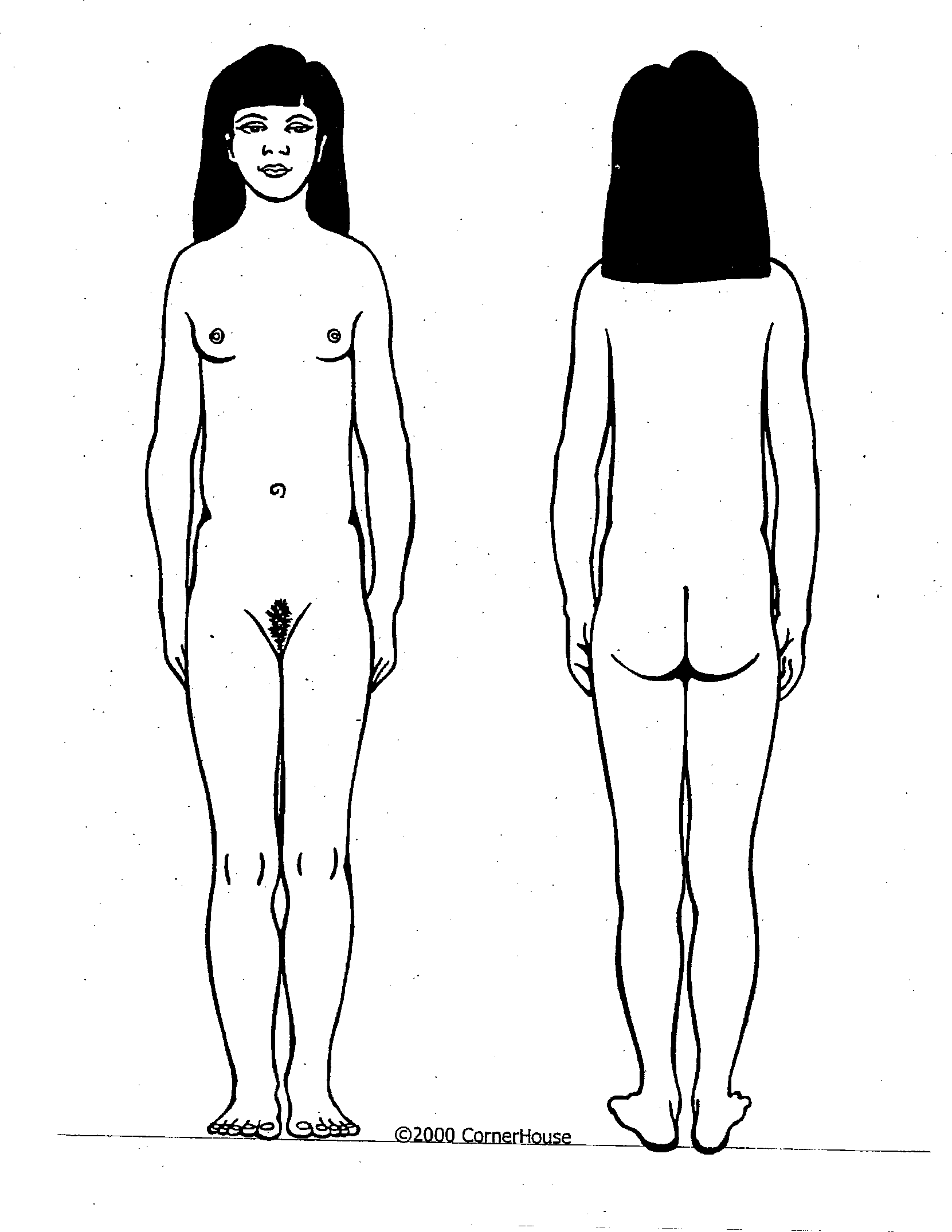
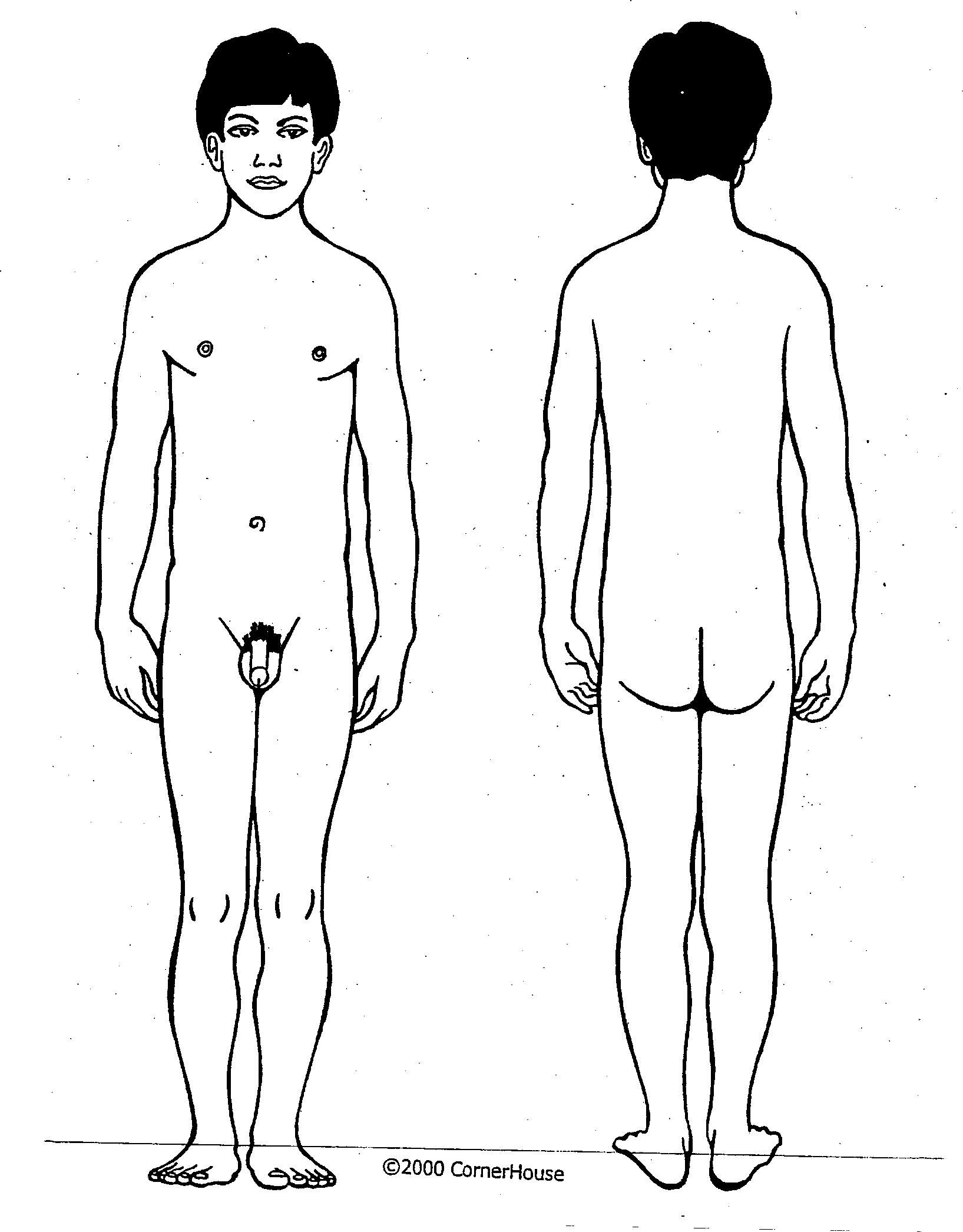
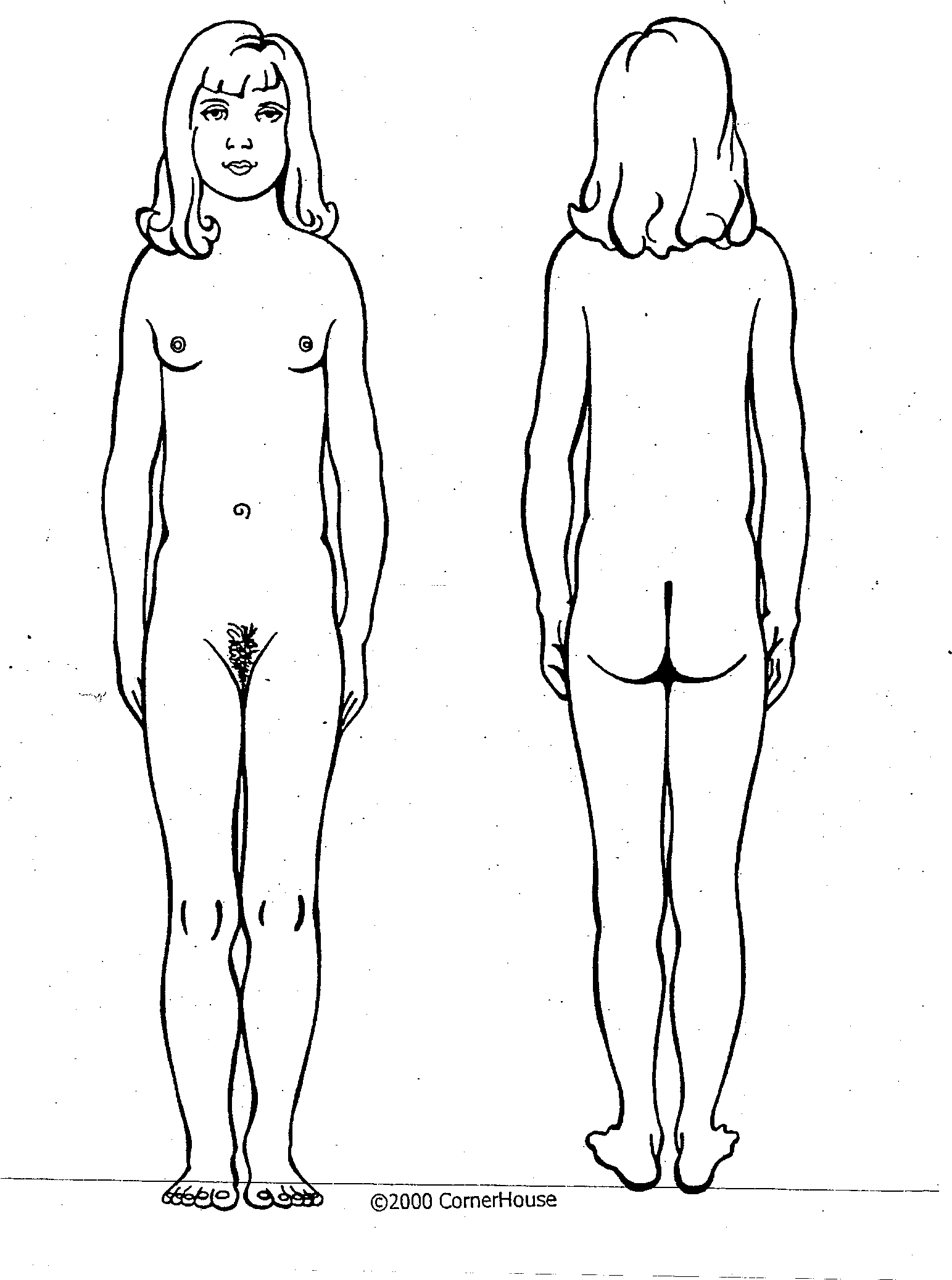
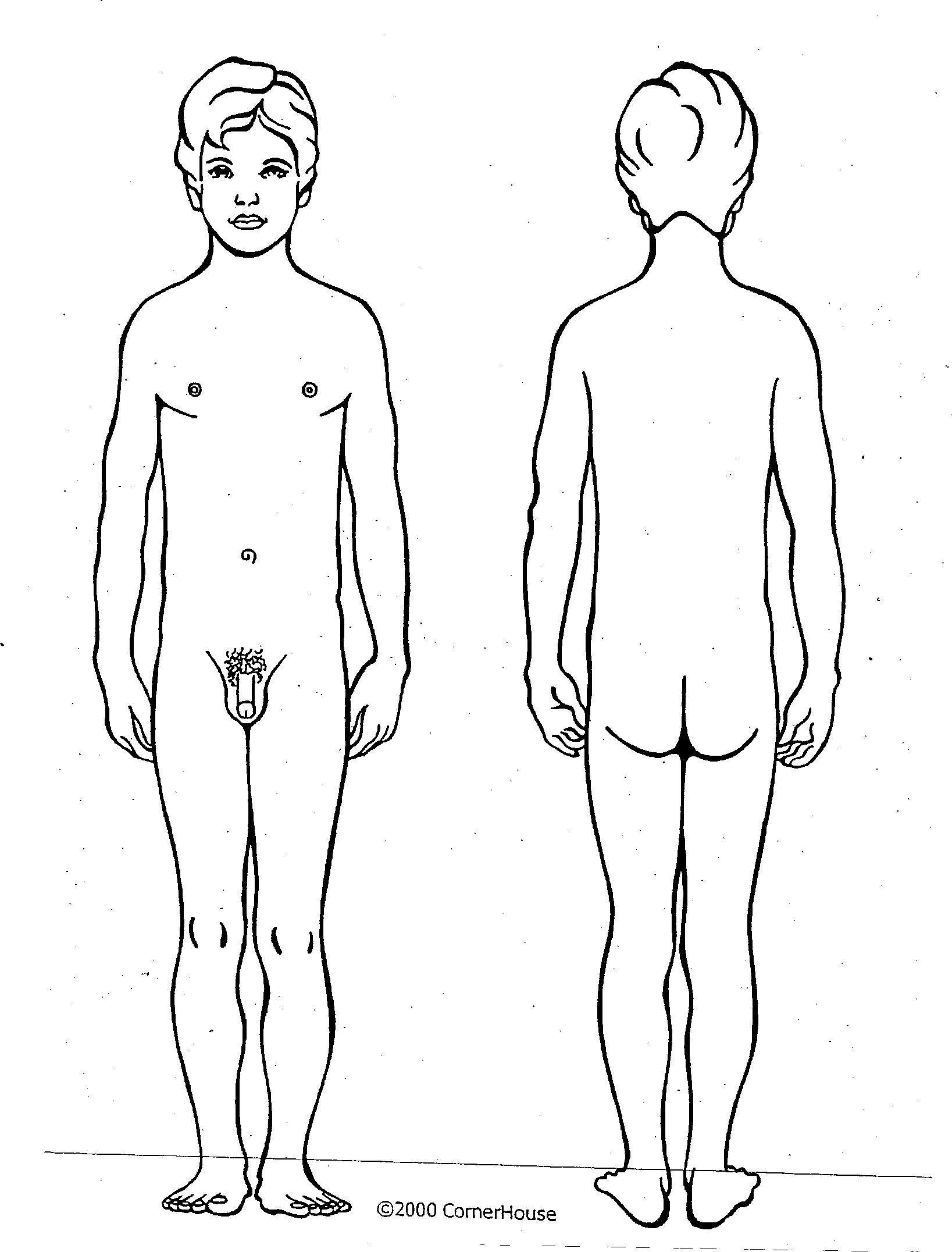
Anatomical Dolls
- Key Concepts -
Representational Shift:
Demonstration Aid:
4
Reasons to Use
Anatomical Dolls in a
Forensic Interview
For clarification purposes.
To allow the child to demonstrate consistency.
To allow the child to distance from his/her own body.
To allow the child to communicate what cannot or will not be said.
5
Recognizing a Process
for Introducing and Utilizing Anatomical Dolls
6
Anatomical Dolls
Additional Tips
7
Anatomical Dolls
Required Reading
8
Reprinted with permission from:
Holmes, L. (2000). Using Anatomical Dolls in Child Sexual Abuse Forensic Interviews. Update, 13(8).
Using Anatomical Dolls In Child Sexual Abuse Forensic Interviews
LoriS. Holmes, MA, LISW1
Should anatomical dolls be used in child sexual abuse forensic interviews? It is a question that each multidisciplinary team of investigative professionals must ask and answer. Multidisciplinary teams should make the decision by considering current case law or state statutes, peer reviewed research, and experts' experience. This is a much better approach than relying on preconceived ideas.
In Hennepin County,2 Minnesota the answer to the question has been a resounding "yes." The forensic interviewers of CornerHouse, the County's child abuse evaluation and training center, have found anatomical dolls to be an effective tool in the interviewing of child sexual abuse victims.
The debate over the pros and cons of anatomical dolls has been fully explored elsewhere.3 This article is intended for jurisdictions using or considering the use of anatomical dolls, and is written in the hope of encouraging the forensically sound use of dolls.
Recommendations for Using Anatomical Dolls in a Forensic Interview4
Much of what has been written about the proper use of dolls can be summarized in the following two rules.
First, it is important that both the interviewer and the child are capable of using the dolls. For the interviewer, this means having the necessary training to use the dolls. Training should include the reading of relevant research, hands on practice and feedback, and adherence to professional guidelines.5 For the child, this means being able to make a representational shift. This is nothing more than the cognitive ability, generally developed between the ages of 3 and 4, to understand that the doll is going to represent the child or another actual person, and is not an instrument for play.
Second, it is improper to use the dolls exclusively, that is, without a verbal statement, to make a finding that a child has been sexually abused. This use would be considered a diagnostic test, and is an inappropriate use of the dolls.6 The child's demonstration with the dolls is but one part of the forensic interview just as the forensic interview is but one part of the investigation. The child's words and affect, the presence of corroborating evidence, and the statements of the alleged perpetrator all determine the outcome of an investigation.
Reasons to Use Anatomical Dolls in a Forensic Interview7
Even when the multidisciplinary team is in agreement to use anatomical dolls, it does not mean that they must or even should be used in every interview. Each child interviewed presents issues unique to that boy or girl. No child should be forced to use the dolls. Instead, the decision to use anatomical dolls needs to be made during each individual interview. Reasons to use the dolls include:
Clarification purposes. Most forensic interviewers have experienced a moment in an interview where a child is making a verbal statement regarding a sexual act, but it does not seem to make sense. One example that a colleague shared is illustrative of this point.8 During an interview, a boy made the statement that he was "butt fucked." Yet in his verbalization of his experience, he stated that the man had ejaculated on his stomach. The boys "words" appeared to be incongruent. Without clarifying this issue, the child would have been ripe for attack at trial. After all, how could semen get on the boy's stomach if the perpetrator's penis was allegedly in the boy's anus? However, when the anatomical dolls were presented to the boy to "show" what happened, the boy was able to clarify the facts. He took the "boy" doll, and laid it face down. He then took the "man" doll and laid it on top of the boy doll. He placed the penis of the man doll between the boy doll's legs. It then became clear that his words were not incongruent (the boy's meaning of butt
9
fucking was not what the interviewer's perception had been).
Allowing the child to demonstrate consistency. One of the challenges in a forensic interview is to determine whether or not the child's account has internal consistency. It is easy, some would argue, to make a false allegation against someone by simply accepting "daddy touched my peepee" to determine a child was sexually abused. Using anatomical dolls is one way to allow the child to demonstrate internal consistency. Using the statemen "daddy touched my pee pee," you can later introduce the dolls to the child and ask the child to "show" you what daddy did. Be careful not to say "show me how daddy touched your pee pee." Remember, you want to determine if the child can demonstrate internal consistency, not just follow your instructions.
Allowing the child to distance from his or her own body. Have you ever asked the question "where on your body were you touched" and the child (usually a young child) says "I'll show you" as he starts to pull down his own pants? I believe it to be the consensus of most professionals that it is not in the child's best interest to remove their own clothing in order to demonstrate. As an interviewer you can say, "you know, you don't have to show on your body. I have some dolls that you can use to show what happened."
Allowing the child to communicate what she cannot or will not say. Most forensic interviewers have experienced a child shutting down verbally in an interview because the subject matter becomes too intense. When a child says the abuse is too difficult to talk about, the forensic interviewer may introduce anatomical dolls as a different form of communication that will allow the disclosure to continue.
Recognizing a Process for Using Anatomical Dolls in a Forensic Interview9
It is imperative to recognize a process, within the interview process itself, for introducing and using the dolls. By including the following aspects in your process, you will have hopefully addressed, in advance, many of the issues commonly raised by defense attorneys.
In most cases, the dolls should be introduced after the child has made a verbal disclosure of abuse. By doing so, you will most likely be using the dolls as a demonstration aid.10 In using the dolls after a disclosure, you may mute the defense argument that the dolls caused the disclosure.
The child should be specifically told that the dolls are not toys and that they are not be played with. The interviewer can then explain that the dolls are used to "show" what happened.
Present the doll(s) fully clothed to the child. Even if the child verbally reports that her clothes were off, keep in mind that one purpose of using the dolls is to have the child demonstrate her consistency.
Determine whether or not the child is able to make a representational shift. To accomplish this task, take one doll that is like the child and one that is like the alleged perpetrator. Ask the child "which doll is the little girl doll and which doll is like your grandpa?" (Remember, the child has already made a verbal statement regarding the allegation.) Does the child correctly differentiate? If so, ask the child "which doll is most like you?" Then ask the child to "show" what happened. Doe the child use the doll(s) to demonstrate? If yes, then the child has demonstrated the ability to make a representational shift. If the child, however, continues to demonstrate on his or her own body rather than on the doll, it is likely that the child cannot make the representational shift. If this is the case, the dolls should be put away immediately. There is no harm in checking for representational shift ability. The problems begin when an interviewer attempts to use the dolls with a child who is not capable of using them.
Depending upon the age of the child, the interviewer should decide if it is appropriate to use only one doll. Using more than one doll to demonstrate an action is an abstract task that may be particularly difficult for preschoolers. In the experience of CornerHouse's forensic interviewers, using only one doll may be more successful when interviewing three and four year old children. Under this scenario, the interviewer uses two dolls to check for representational shift capability and then simply puts one of the dolls away. If the abuse happened to the child, e.g., the perpetrator fondled child's vagina, keep out the doll that is like the child. If the child had to do something to the perpetrator's body, e.g., such on his penis, then keep out the doll that is like the perpetrator. You can then ask the child to show what happened, or ask the child to point
10
to where she was touched, or had to touch.
When finished with the doll(s), offer to take it from the child and either set if aside or put it away. If you allow the child to continue to hold the dolls, the child may begin to play with them and give a defense attorney an argument that the dolls invited fantasy. If the child continues to hold naked dolls and makes additional disclosures while doing so, a defense attorney may argue that the dolls invited untrue sexual allegations. After taking the dolls from the child, the interviewer may wish to redress the dolls as the interview continues. In this way, the dolls will be fully clothed and will be available for reintroduction if the child makes additional disclosures that need to be clarified.
Never make assumptions about what the child is demonstrating. If a child takes her hand and touches the girl doll's vagina, an interviewer may assume fondling and comment "so your daddy was rubbing your pee pee." To minimize a defense attack or improperly leading the child, it would be better for the interviewer to ask the child "what was your daddy's hand doing to your pee pee?" The child may respond "pinching it" or "poking it" and thus enables the interviewer to ask more clarifying questions. Remember, the information is to come from the child and not the interviewer.
Additional Tips for Using Anatomical Dolls in a Forensic Interview"
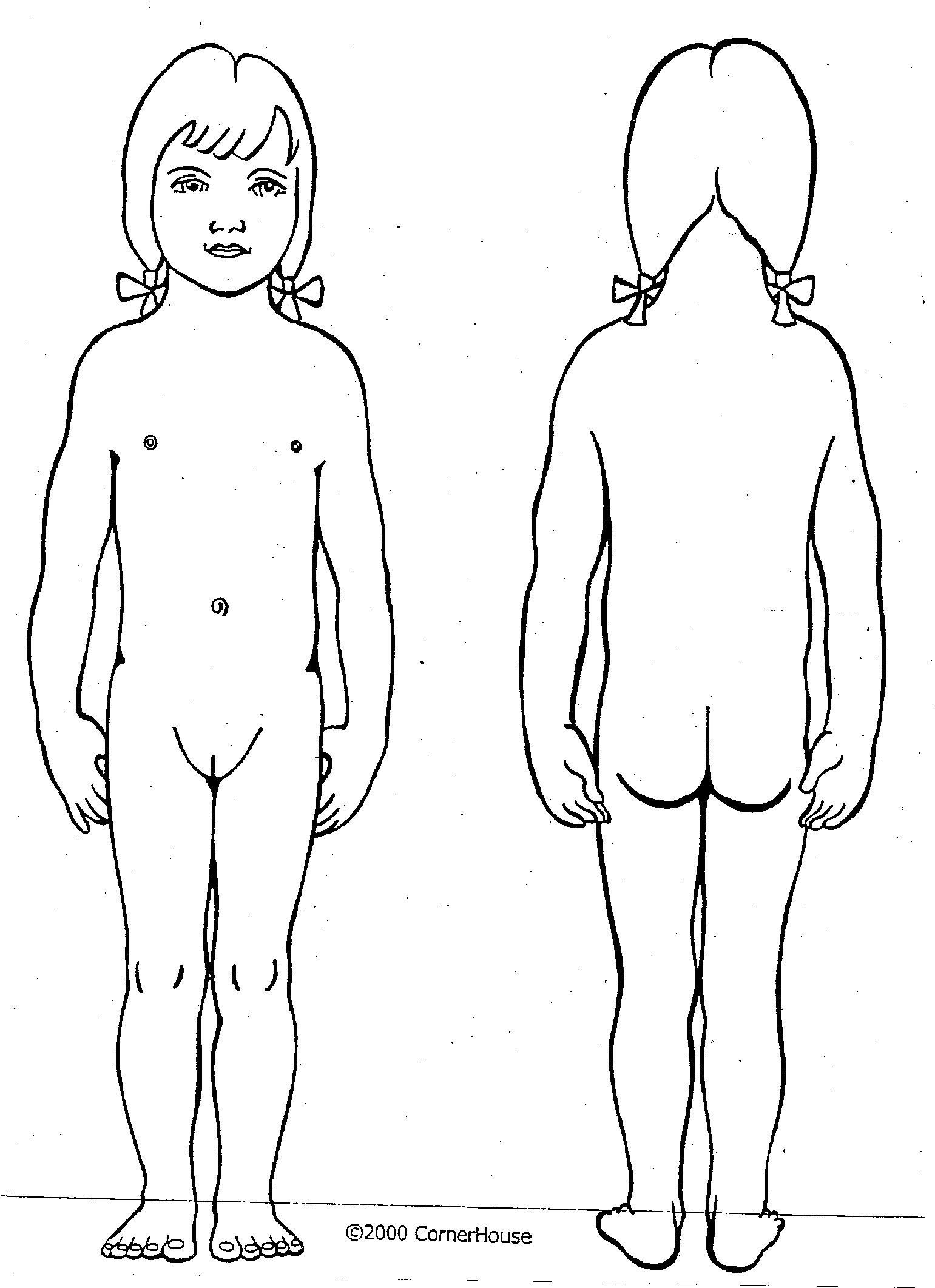
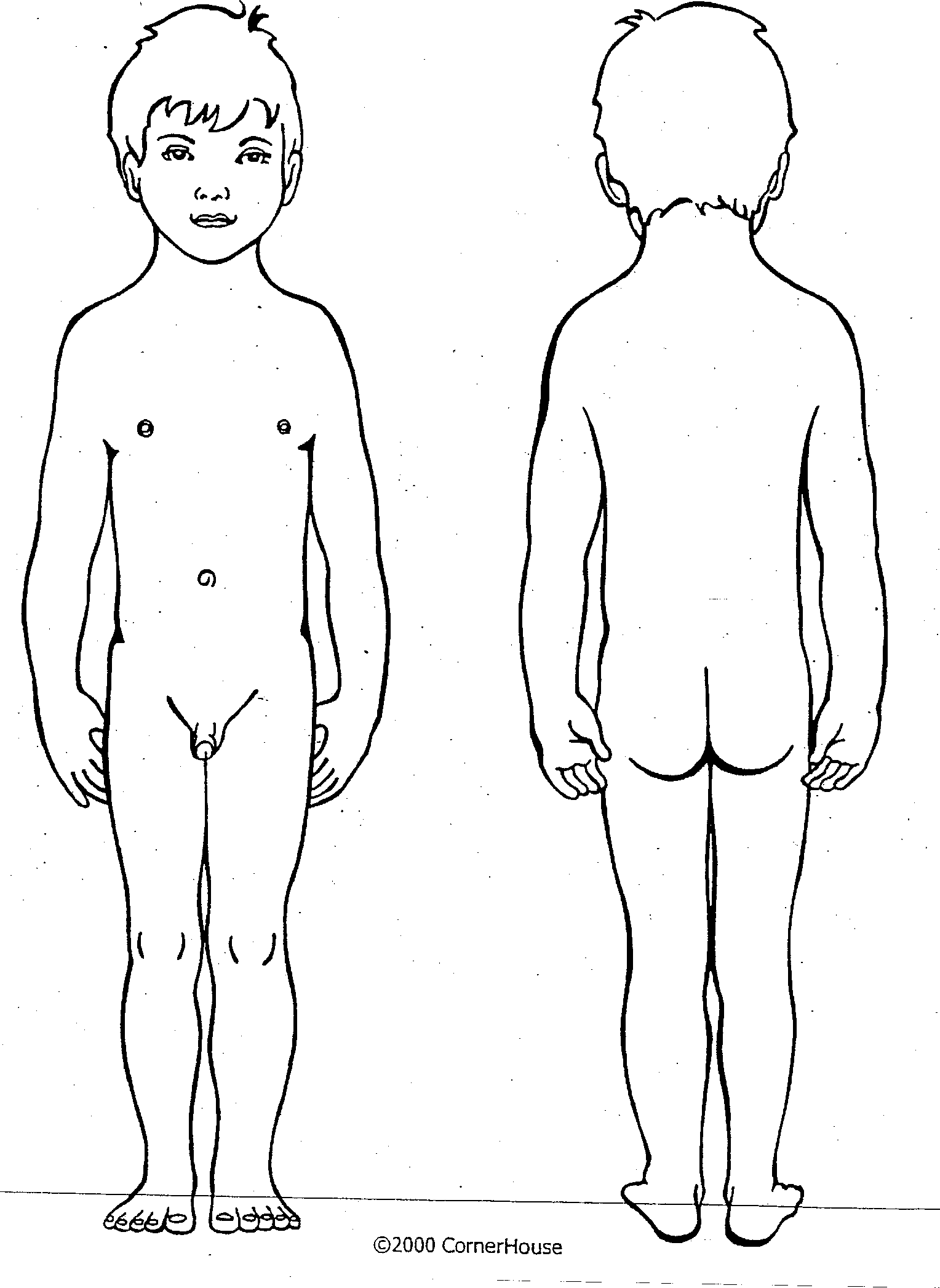
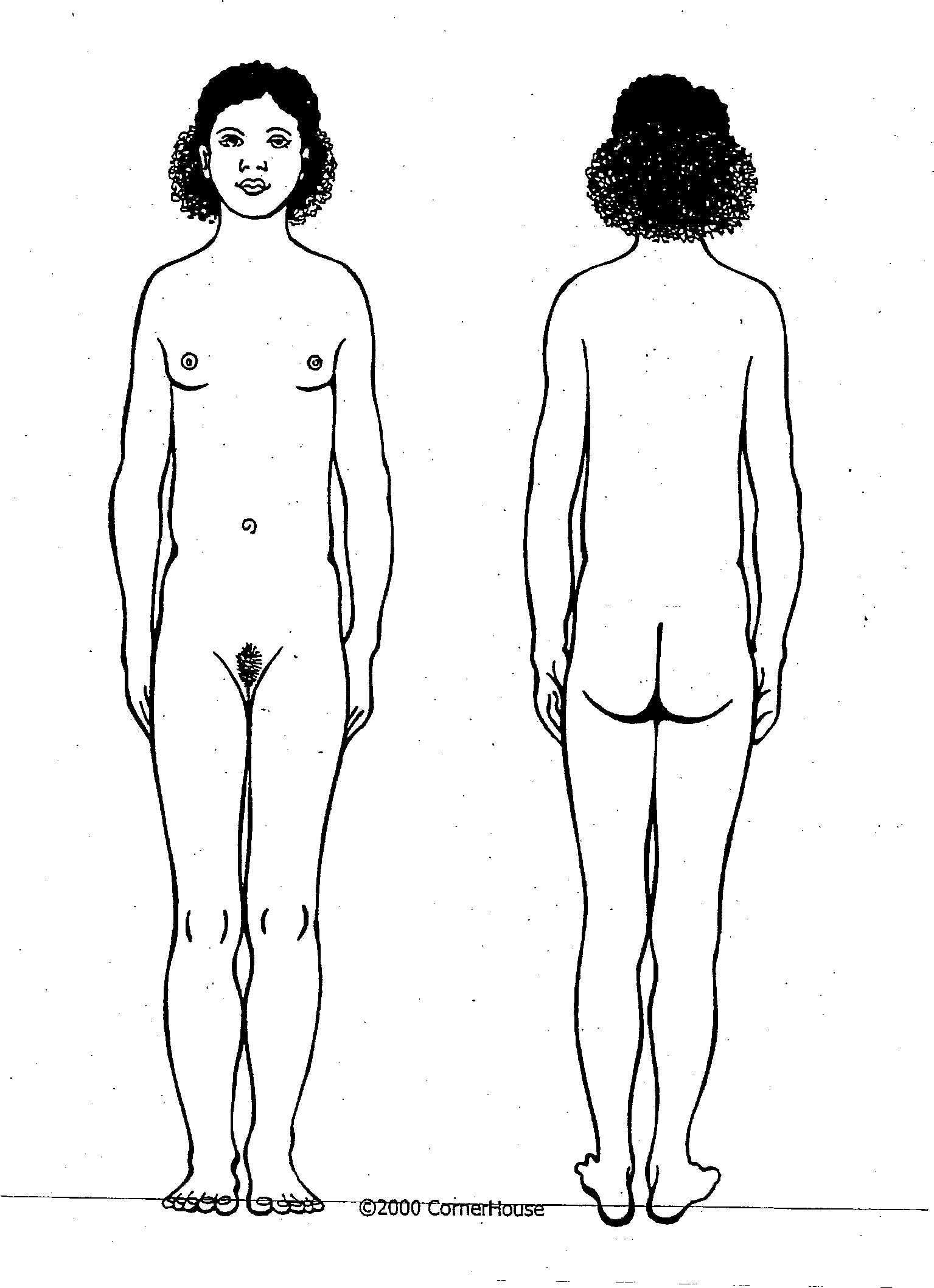
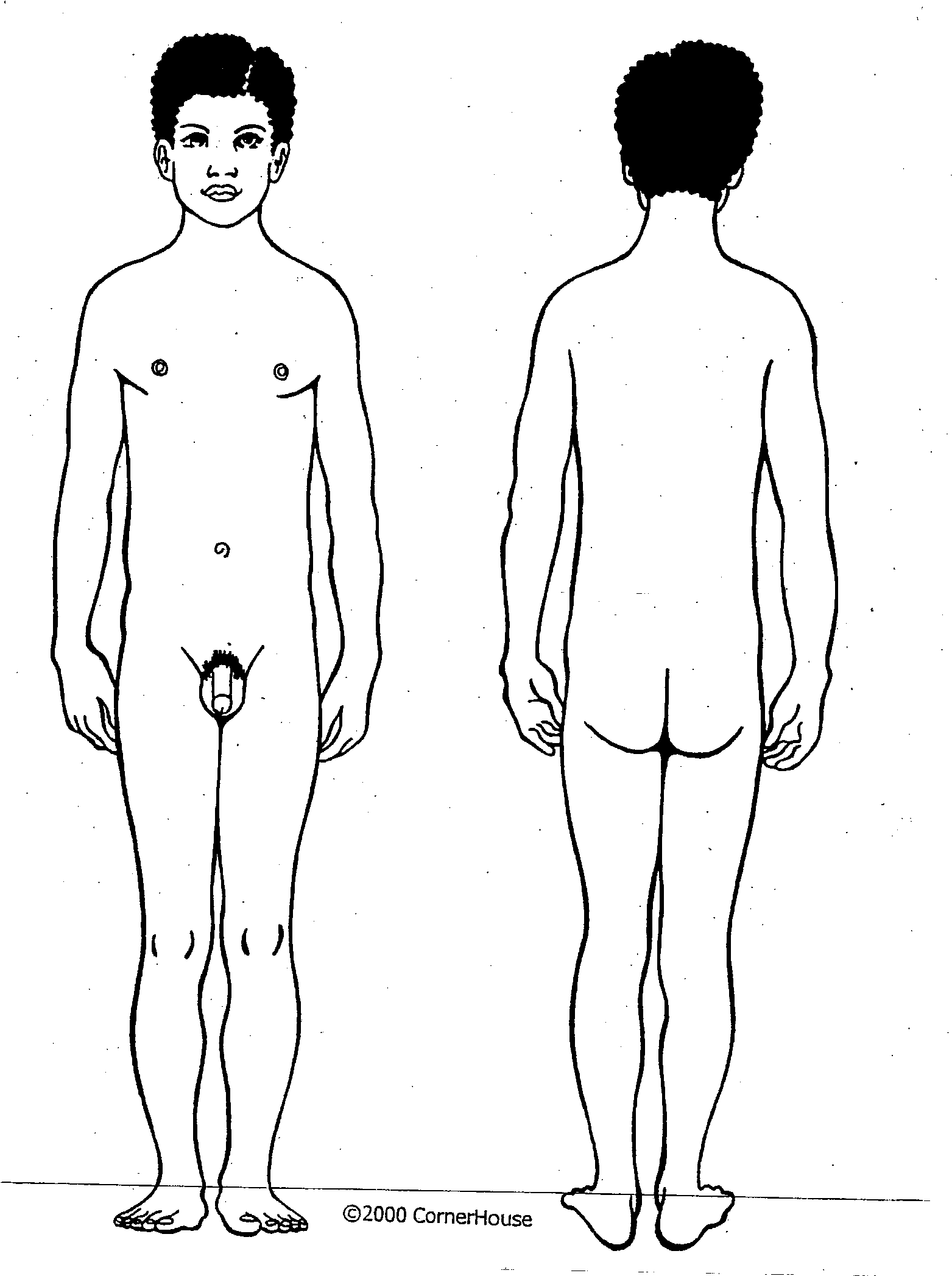
Choose anatomical dolls that are reputable. It is best to purchase dolls from one of the businesses that makes anatomical dolls.12 If you make your own dolls, you may subject yourself to a variety of attacks including the argument that the genitalia on the dolls are not proportionate to their human counter parts. Professionally produced anatomical dolls are designed to withstand frequent use and are available in different skin tones as well as in various developmental stages (infant, toddler, child, adolescent, adult and grandparent).
Use anatomical dolls that are skin-tone appropriate. It may be confusing to use a Caucasian doll when interviewing an African American child. Imagine trying to check for representational shift ability by asking the child "which doll looks most like you?"
The interviewer should choose which dolls to use. In the early history of CornerHouse, forensic interviewers would open a bin of dolls and ask the child to pick out one doll that was most like them and one that was most like the perpetrator. Many children picked dolls that weren't developmentally or racially correct simply because they liked a certain set of clothes or particular hairstyle. Defense attorneys, however, cited the child's selection as evidence that she couldn't make the representational shift or that she was "pretending." Choosing the dolls for the child results in less confusion. Because the child has given some sort of verbal account of the allegation, the interviewer can adequately choose the dolls to represent both the child and the perpetrator. A few clarifying questions may be needed to arrive at the appropriate choice for the perpetrator. The interviewer may need to ask, "Is Brad a kid or an adult?" or "Does Brad have skin color more like you or me?"
Conclusion
Though not exhaustive, the suggestions in this article offer readers a concrete overview of the proper use of dolls in a forensic interview. Readers seeking additional information or training should contact APRI's National Center for Prosecution of Child Abuse at (703) 739-0321.
1 Training Coordinator for CornerHouse, a Child Abuse Evaluation and Training Center located in Minneapolis, MN.
2 Hennepin County is the largest county in Minnesota and includes the city of Minneapolis.
3 Barbara Boat and Mark Everson, Putting the Anatomical Doll Controversy in Perspective: An Examination of the Major Uses and Criticisms of Dolls in Child Sexual Abuse Evaluations, 18 CHILD ABUSE & NEGLECT, No. 2, pp. 113-129, 1994.
11
4 Recommendations for Using Anatomical Dolls in a Forensic Interview, CornerHouse, ,, 1998.
5 The American Professional Society on the Abuse of Children (APS AC), is the only national, multidisciplinary organization that has issued guidelines on the use of anatomical dolls in child sexual abuse interview. The guidelines are entitled Use of Anatomical Dolls in Child Sexual Abuse Assessments -APSAC Practice Guidelines.
6 Use of Anatomical Dolls in Child Sexual Abuse Assessments - APSAC Practice Guidelines
7 Reasons to Use Anatomical Dolls in a Forensic Interview, CornerHouse, 1998.
8 Personal conversation with Victor Vieth, Director of APRI's National Center for Prosecution of Child Abuse.
9 Recognizing a Process for Using Anatomical Dolls In a Forensic Interview, CornerHouse, 1998.
10 Use of Anatomical Dolls in Child Sexual Abuse Assessments - APSA C Practice Guidelines.
11 Additional Tips for Using Anatomical Dolls in a Forensic Interview, CornerHouse, 1998.
12 Teach-A-Bodies: www.teach-a-bodies.com 3509 Acorn Run, Fort Worth, TX, 76109-1314, Telephone: 888-228-1314, Email: info@teach-a-bodies.com: and Real People: 4463 Torrance Boulevard, Torrance, CA, 90503
12
Reprinted with permission from:
APRI's National Center for the Prosecution of Child Abuse
(2002). Summary of legislation permitting the use of
anatomical dolls in criminal child abuse cases.
Unpublished compilation.
Legislation Permitting the Use of Anatomical
Dolls in Criminal Child Abuse Cases
(Current through May 28, 2002)
| STATE STATUTES | |
| Alabama | Ala. Code§ 15-25-5 (1995) |
| Connecticut | Conn. Gen. Stat. Ann. § 54-86g (2001) |
| Michigan | MI St. 24.275a |
| New Hampshire | N.H. Sup. Ct. Rule 93-A N.H. Mun. Ct.Rule 1.24 |
| New Jersey | N.J. Stat. Ann. § 2A:84A-16.1 (West 1994) |
| New York | N.Y. Crim. Proc. Law § 60.44 (McKinney 1992) N.Y. Exec. Law § 642-a(7) (McKinney 1996) |
| Pennsylvania | 42 Pa. Cons. Stat. Ann. § 5987 (Supp. 2000) |
| West Virginia | W. Va. Code § 61-8-13(b) (1997) W. Va. Code § 61-8B-11(d) (1997) W. Va. Code § 61-8C-5 (1997) |
| Wyoming | Wyo. Stat. Ann. § 7-1 l-408(f) (Michie 1997) |
|
FEDERAL LEGISLATION | |
| U.S. Code | 18 U.S.C.A. § 3509(1) (West Supp. 2000) |
|
CASE LAW | |
| District of Columbia | Nelson v. U.S. 649 A.2d 301 (1994) |
| Delaware | Thomas v. State. 725 A.2d 424 (1999) |
13
ALABAMA
Ala. Code § 15-25-5 (1995)
In any criminal proceeding and juvenile cases wherein the
defendant is alleged to have had unlawful sexual contact or
penetration with or on a child, the court shall permit the
use of anatomically correct dolls or mannequins to assist
an alleged victim or witness, who is under the age of 10,
in testifying on direct and cross-examination at trial, or
in a videotaped deposition, as provided in this
article.
CONNECTICUT
Conn. Gen. Stat. Ann. § 54-86g (West 1994)
In any criminal prosecution of an offense involving
assault, sexual assault or abuse of a child 12 years of age
or younger, the court may, upon motion of the attorney for
any party, order that the use of anatomically correct dolls
by the child be permitted.
MICHIGAN
MI St. 24.275a
If pertinent, a victim age 16 years or younger, or 16 years
or older with a developmental disability, shall be
permitted the use of dolls or mannequins, including, but
not limited to, anatomically correct dolls or mannequins,
to assist the witness in testifying on direct and
cross-examination.
NEW HAMPSHIRE
N.H. Sup. Ct. Rule 93-A
In any criminal case alleging a sex-related offense in
which a minor child was a victim, the Court shall allow the
use of anatomically correct drawings and/or anatomically
correct dolls as demonstrative evidence to assist the
alleged victim or minor witness in testifying, unless
otherwise ordered by the Court for good cause
shown.
N.H. Mun. Ct. Rule 1.24
In any criminal case or delinquency proceeding alleging a
sex-related offense in which a minor child was a victim,
the Court shall allow the use of anatomically correct
drawings and/or anatomically correct dolls as demonstrative
evidence to assist the alleged victim or minor witness in
testifying, unless otherwise ordered by the Court for good
cause shown.
NEW JERSEY
N.J. Stat. Ann. § 2A.-84A-16.1 (West 1994)
In prosecutions for sexual assault, criminal sexual contact
and endangering the welfare of children, where the
complaining witness is a child under the age of 16, the
court shall permit the use of anatomically correct dolls,
models or similar items of either or both sexes to assist
the child's testimony.
14
NEW YORK
N.Y. Crim. Proc. Law § 60.44 (McKinney 1992)
Any person who is less than 16 years old may, in the
discretion of the court, and where helpful and appropriate,
use an anatomically correct doll in testifying in a
criminal proceeding based on conduct prohibited by article
130 (sex offenses), article 260 (offenses relating to
children) or section 255.25 (incest) of the penal
law.
N.Y. Exec. Law. § 642-a(7) (McKinney 1996)
A child witness under the age of 16 should be permitted in
the discretion of the court to use anatomically correct
dolls and drawings during his/her testimony.
PENNSYLVANIA
42 Pa. Cons. Stat. Ann. § 5987 (Supp. 2000)
In any criminal proceeding charging physical abuse,
indecent contact or relating to sexual offenses, the court
shall permit the use of anatomically correct dolls or
mannequins to assist an alleged victim in testifying on
direct examination and cross examination.
WEST VIRGINIA
W. Va. Code § 61-8-13(b) (1997)
W. Va. Code § 61-8B-11(d) (1997)
W. Va. Code § 61-8C-5 (1997)
At any stage of a proceeding, in a prosecution for sexual
conduct, incest, or the filming of sexually explicit
conduct of minors, the court may permit a child who is 11
years old or less to. use anatomically correct dolls,
mannequins or drawings to assist such child in
testifying.
WYOMING
Wyo. Stat. Ann. § 7-ll-408(f) (Michie 1997)
Child victims of incest and sexual assault, under the age
of 12, who are unable to articulate what was done to them,
will be permitted to demonstrate the sexual act or acts
committed against them with the aid of anatomically correct
dolls. Such demonstrations will be under the supervision
of the court and shall be videotaped to be viewed at trial,
and shall be received into evidence as demonstrative
evidence.
FEDERAL LEGISLATION
U.S. CODE
18 U.S.C.A. § 3509(1) (West Supp. 2000)
The court may permit a child under the age of 18 to use
anatomical dolls, puppets, drawings, mannequins, or any
other demonstrative device the court deems appropriate for
the purpose of assisting a child in
testifying.
15
16
17
18
19
20
21
22
23
24
25
26
end
2004 American Prosecutors Research Institute 2004 CornerHouse
Finding Words Training Manual